


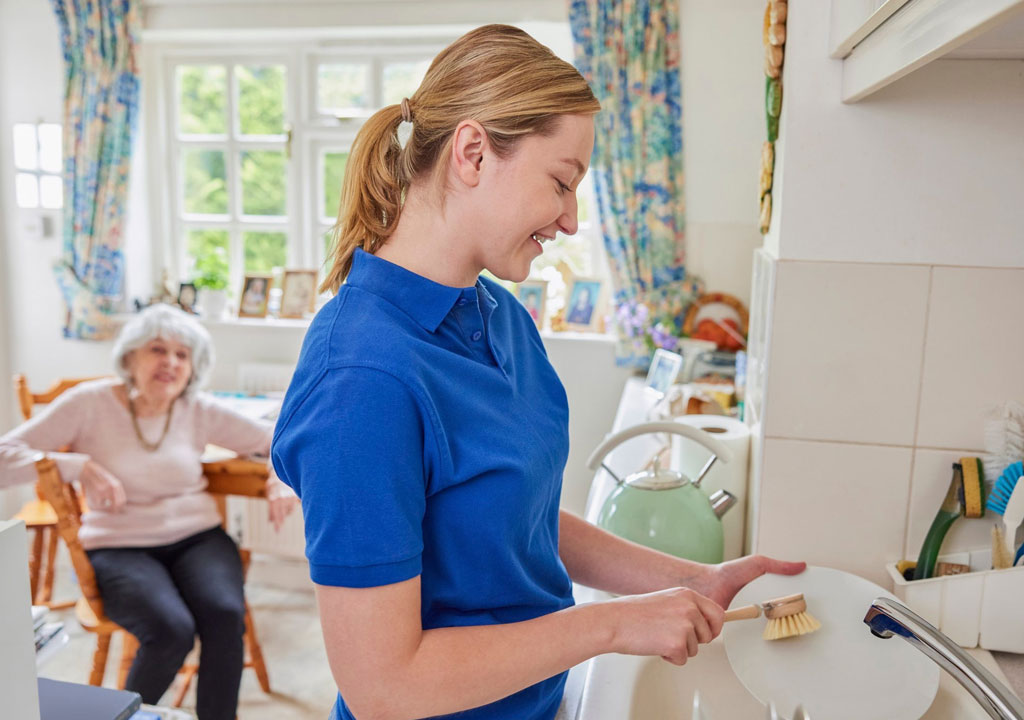
Aging in place allows seniors to remain in the comfort of their own homes, preserving independence, familiar routines, and a sense of dignity. For many, staying at home is preferable to institutional settings, but it comes with challenges that families and caregivers may not immediately recognize. From safety concerns to medical management, understanding these obstacles is essential for successful aging in place.
Safety and Accessibility Considerations
One of the primary challenges of aging in place is ensuring the home environment is safe. Seniors may face mobility limitations, increasing the risk of falls or injuries. Simple adjustments such as installing grab bars, handrails, and non-slip flooring, along with ramps and stair lifts, can significantly improve safety. Bathrooms and kitchens often require modifications to allow ease of use, while proper lighting and clear pathways prevent accidents.
Medical and Health Management
Chronic conditions, cognitive decline, and medication needs make ongoing medical support essential. Medication management—including reminders, organization, and timely refills—reduces errors and improves adherence. Access to home health aides or visiting nurses can provide routine monitoring, vital sign checks, and emergency response if issues arise. Coordination with physicians and specialists ensures care plans are up-to-date and fully implemented.
Daily Living and Personal Support
Independence does not mean doing everything alone. Seniors often require personal care assistance, homemaker services, and meal preparation support. Transportation to appointments, grocery shopping, and social engagement are equally important for maintaining quality of life. Supportive day programs and community resources can supplement in-home care, providing stimulation and structured routines that enhance physical and mental health.
Family Involvement and Communication
Aging in place works best when family members actively participate. Clear communication about care needs, routines, and expectations prevents misunderstandings and ensures consistent support. Families can rotate responsibilities, provide respite, and maintain strong emotional bonds with their loved ones while still preserving autonomy.
Planning and Proactive Strategies
Preparation is critical. Developing a detailed care plan, considering future mobility or cognitive challenges, and integrating technology such as emergency alert systems and health monitoring devices create a proactive framework. Combining these strategies with local community resources, volunteer programs, and social services ensures seniors remain engaged, safe, and independent.
Final Thoughts
Successfully aging in place is achievable when families and caregivers understand the challenges and take a structured approach. By addressing safety, medical care, daily support, and family involvement, seniors can thrive in the familiarity of their own homes. With thoughtful preparation, proactive planning, and community engagement, aging in place becomes a sustainable, rewarding choice that preserves independence, dignity, and quality of life.
